Everyday Kitchen Worktops: Choosing Materials and Habits That Last
When you reach for a knife, put down a hot pan, or clear crumbs after breakfast, the worktop becomes the most hardworking surface in your home. Choosing a countertop isn’t only about looks; it’s about the daily habits you’ll need to protect it. Below is a practical, materials-and-methods comparison that highlights the trade-offs between common surfaces and the simple routines that help them age well.
1. Surface feel and daily use: Wood, laminate, and stainless steel
These three materials offer distinct tactile and functional experiences.
- Solid wood (butcher block): Warm to the touch and forgiving on knives. It invites straightforward habits—regular oiling and avoiding prolonged water exposure. Scratches are visible but repairable with sanding and oil.
- Laminate: Smooth, available in many patterns, and low-friction for sliding bowls or trays. It resists stains fairly well but can chip at seams. Cleaning is simple—wipe with a damp cloth and mild detergent—so it suits people who prefer minimal maintenance rituals.
- Stainless steel: Professional and hygienic-feeling, with excellent heat resistance. It shows fingerprints and scratches more readily. Daily wiping with a microfibre cloth keeps it presentable; occasional polish reduces visible marks. Best for kitchens where durability and easy sanitizing matter more than the warm look of natural materials.
2. Stain resistance and maintenance rhythms: Stone and quartz
Stone and engineered quartz are often chosen for their durability and visual permanence, but they demand different care philosophies.
- Natural stone (granite, marble): Granite tends to be more forgiving; marble patinas and can etch. Most stones need sealing at intervals—some types annually, others less often—so the method is periodic maintenance rather than daily attention. Wipe spills promptly, especially acidic ones on marble.
- Engineered quartz: Non-porous and low-maintenance, quartz resists staining and doesn’t require sealing. It pairs well with a quick-wipe daily habit and infrequent, deeper cleans. Heat is a weak point, so trivets are a consistent, simple habit to adopt.
3. Durability, repairability, and realistic trade-offs
Consider what you’re willing to live with and what you expect to repair.
- Repairability: Wood can be sanded and refinished at home; laminate and quartz generally cannot be sanded without visible repair. Natural stone can sometimes be resurfaced by a professional, while stainless steel dents and scratches are harder to reverse.
- Longevity vs. daily behavior: A long-lasting material may need a habit you don’t enjoy. For example, stone can last decades but expects prompt spill cleanup and occasional resealing. If you prefer low-effort daily habits, laminate or quartz pair better with that lifestyle.
- Heat and impact: Some surfaces withstand hot pans and heavy pots; others need trivets and gentle handling. Matching your cooking style to a surface’s strength reduces the need for repairs.
4. Cost, sustainability, and installation choices
Upfront price is visible; lifecycle and installation trade-offs are less obvious but often decisive.
- Upfront cost: Laminate is usually the least expensive, followed by wood and stainless steel; natural stone and high-end quartz are more costly. Installation complexity can add to the price—seamless stone tends to require professional templating and fitting.
- Sustainability: Reclaimed wood and locally sourced stone reduce embodied impacts. Some composite surfaces use recycled content; others are resource-intensive to produce. Consider how long you expect to keep the surface—longer lifespans generally improve overall sustainability.
- Installation methods: DIY-friendly materials (laminate and some wood) let you save money but may show imperfect seams. Professional installation improves fit and finish, particularly for stone and stainless applications where tolerances matter.
Practical note: A modest increase in budget often buys a material that better matches your daily routine. Alternatively, a small change in routine—using trivets, a cutting board, or a weekly oil—can make a less expensive surface last far longer.
Conclusion: Match material to routine, not aspiration
There’s no universally “best” countertop—only better fits. Choose based on how you actually use the kitchen: if you like to cook hot meals frequently, prioritize heat resistance and easy cleaning; if you value a warm, repairable surface, wood pairs well with a short weekly oiling habit. For low-effort households, quartz or laminate reduce maintenance time, while stainless suits those who want a sanitary, professional surface.
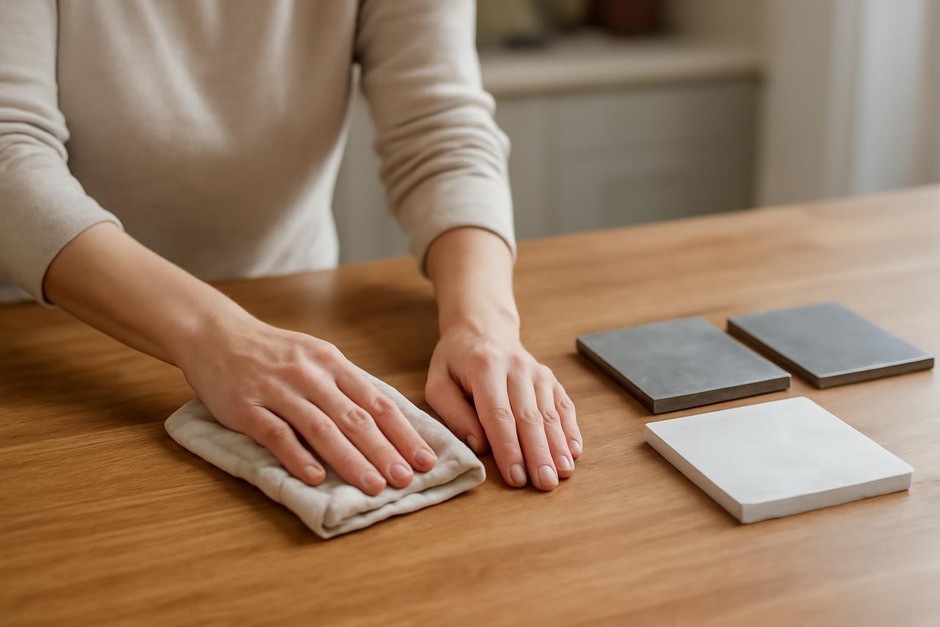
One measured experiment to try: live with a temporary sample area or small portable board of your preferred material for a month. Adopt the minimal daily and weekly habits listed above and notice which routines feel natural versus forced. That lived test often reveals the most honest trade-offs between material qualities and the methods you’ll maintain for years.