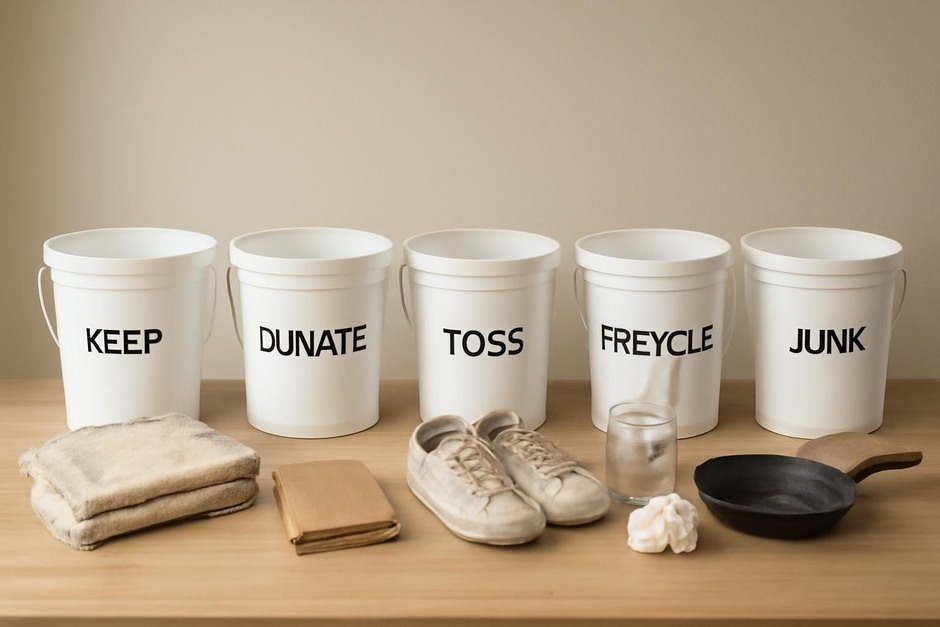
Five-Bucket Sorting Method for Quick, Lasting Declutter
When clutter accumulates, the hardest part is making decisions. The Five-Bucket Sorting Method reduces decision fatigue by giving you a physical framework for every item you touch. It’s a practical, observable process you can use on a countertop, desk, drawer, or a whole room—again and again.
Step-by-step method
-
Gather supplies and pick a target
Bring five containers: boxes, bins, reusable bags, or labeled laundry baskets. Label them Keep, Relocate, Donate/Sell, Recycle/Dispose, and Unsure. Choose a manageable target—a single counter, one drawer, or a 3×3 ft section of a closet.
-
Set a short timer
Limit your first pass to 20–30 minutes. Short bursts encourage momentum and prevent overthinking. If the area is very small, 10–15 minutes can be enough.
-
Empty and sort fast
Work item by item. Pick up something, ask one quick question—”Do I use this regularly?”—and place it in the bucket that fits. The rule: make a decision and move on. If you can’t decide in 10–20 seconds, it goes to Unsure.
-
Handle buckets in order
Process buckets immediately while you’re in the same room:
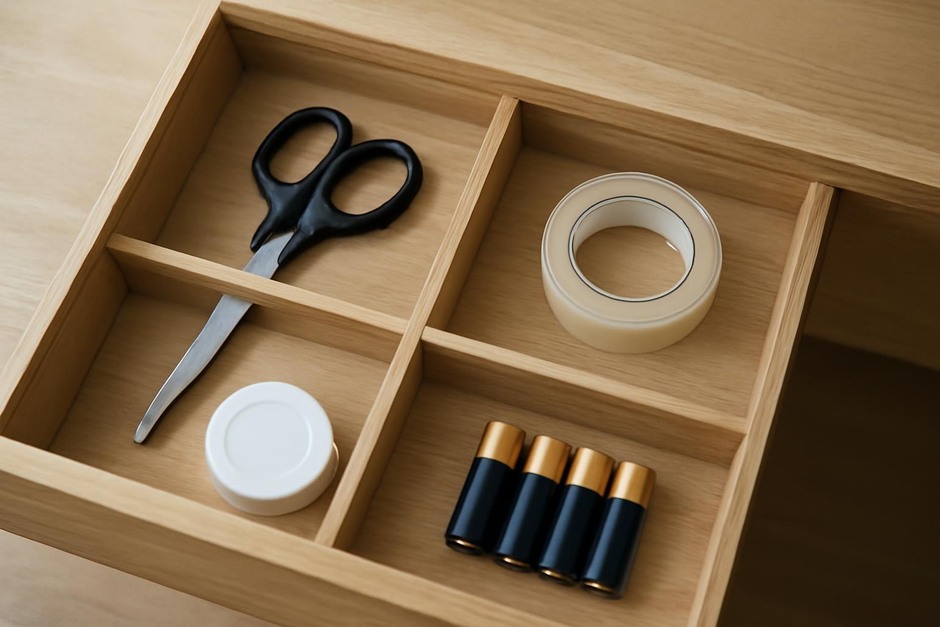
- Keep: Return items to their designated spot. If they don’t have a spot, create one now—use a small tray, drawer divider, or shelf space.
- Relocate: Carry items to their correct room. Don’t make a pile to move later—relocate them now.
- Donate/Sell: Box and label these. Store them in your car or a single donation spot at home to avoid reintroducing them.
- Recycle/Dispose: Recycle what’s recyclable. Dispose of anything broken or expired. Handle hazardous items (old batteries, paint, electronics) according to local rules.
- Unsure: Set a short review date, like one month. Put these in a clear box in the garage or a closet. If you don’t use items within the review period, move them to donate/sell or recycle.
-
Finish with a quick reset
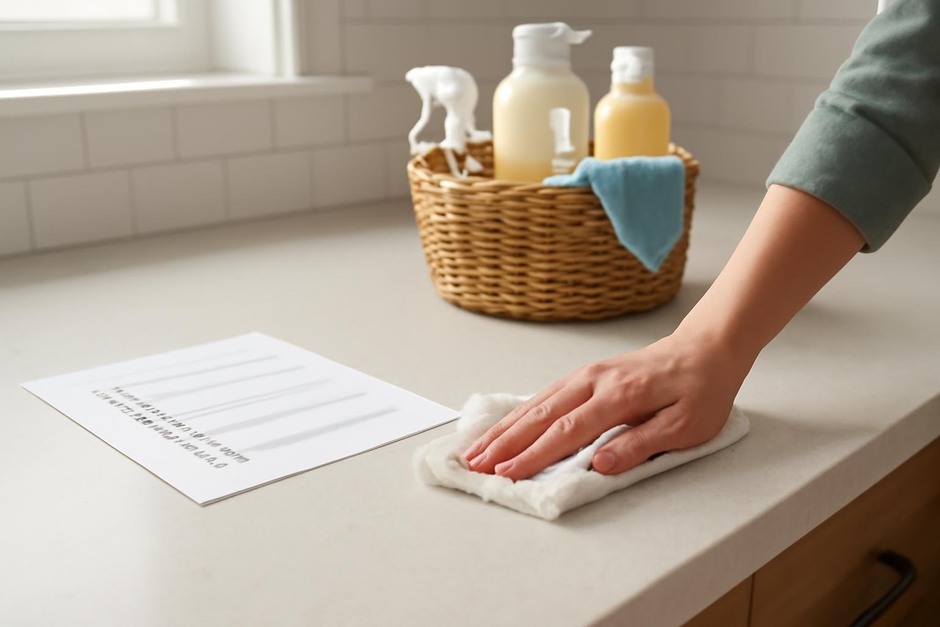
Wipe the cleared surface, adjust storage if needed, and photograph the area if that helps you remember the new layout. Note any follow-up actions (repair, buy a small tray) and schedule them — but keep the list short.
Variations
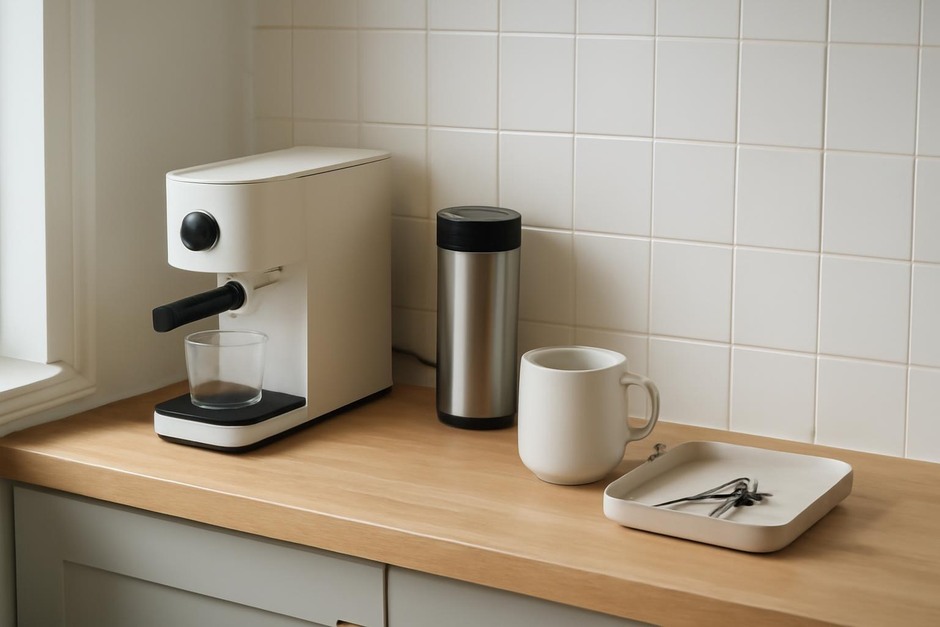
- Kitchen counters: Add a small daily use zone inside the Keep bucket for the handful of things that belong on counters (coffee maker, knife block). Anything else should be relocated or stored visually out of the way.
- Paper piles: Replace Relocate with a Process box. Sort papers into Action, File, Archive, and Shred as you go, then handle each immediately.
- Kids’ zones: Use color-coded bins and involve children with a choice rule: keep three favorites, donate one, put the rest away. Make the timer a game.
- Small spaces: Swap full-sized boxes for grocery bags and do one bag at a time. For tiny closets, clear the floor first, then sort shelves and hanging items separately.
- Digital declutter: Create five folders mirroring the buckets. Move files quickly and empty the Unsure folder after a review period.
Troubleshooting
- Overwhelm when starting: Reduce the target. One drawer or one shelf corner is enough. The visible progress builds confidence and reduces avoidance.
- Too many sentimental items: Limit sentimental keeps to a small box per person. For items with strong memories, photograph them and keep the picture instead of the object.
- Decision paralysis: Use a simple timer rule: if you can’t decide in 20 seconds, move the item to Unsure. Revisit Unsure once you’ve cleared other categories.
- Family resistance: Invite family members to a short session and present the method as temporary: “We’ll try 15 minutes and see.” Let each person decide for their own belongings and use shared buckets for communal areas.
- What to do with Unsure after the review period: Be strict. If you didn’t miss it, it’s likely safe to donate or recycle. If you find you need it, note why and create a clear, accessible home for it.
- Items that keep returning: Trace the loop—where are things used? If a relocated item returns to the same surface repeatedly, create a permanent spot there or remove it entirely from daily circulation.
The power of the Five-Bucket Sorting Method is its repeatability. It isn’t about perfection in a single session; it’s about establishing a faster, lower-friction decision process. Use it weekly for small surfaces and monthly for larger zones, and you’ll find clutter becomes easier to prevent than to fix.