Designing Tiny Task Zones: Four Principles and Small Experiments to Make Everyday Spaces Work
Observation: Most friction in daily routines happens not in grand redesigns but at tiny moments—where you put your keys, where you prep coffee, where the paper pile gathers. Designing or refining tiny task zones—small, clearly defined areas tuned to one activity—reduces that friction more effectively than adding storage or trying to be tidier all at once.
1. Zone by activity, not by object
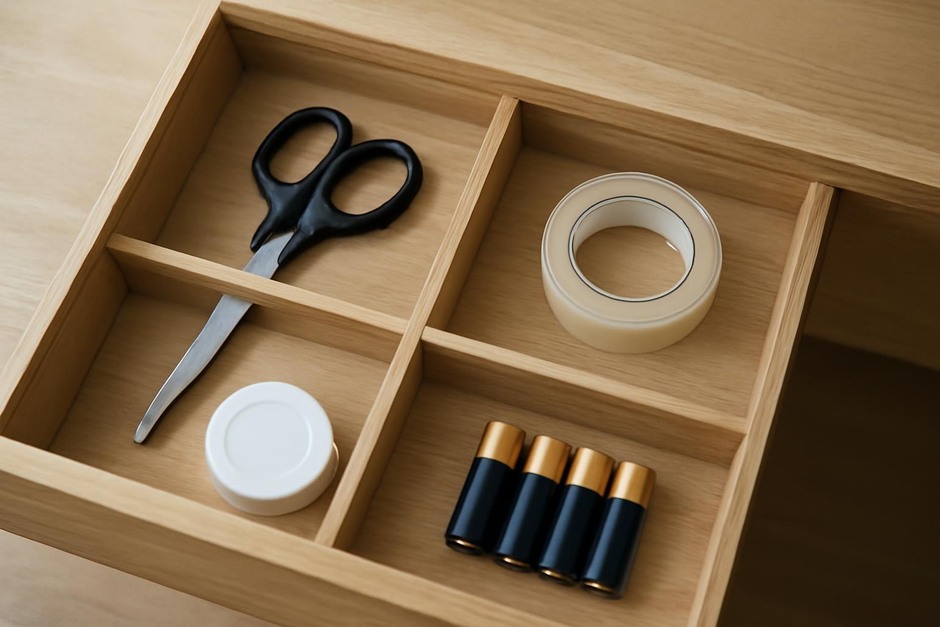
Principle: When a space is defined by the action that happens there, the items it needs become obvious and limited. A zone for “morning coffee” looks different from a zone for “mail processing,” even if both live on the same countertop.
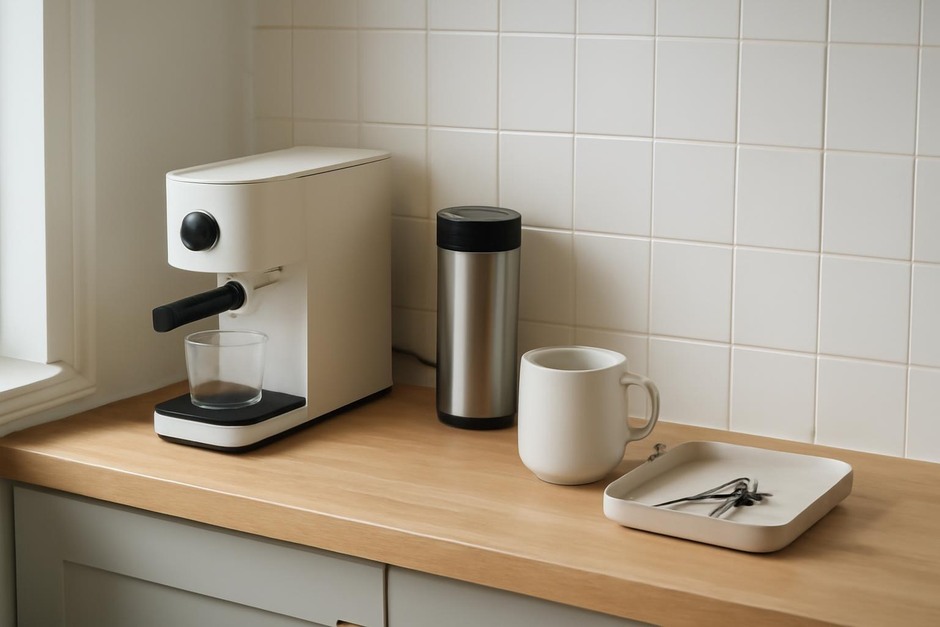
Small example: Create a coffee micro-zone on a single counter tile or a small tray. Include only the kettle or machine, a mug rack (or two), coffee or tea canister, and a spoon. Everything else stays in a nearby cabinet. The rule: if an object isn’t used during that specific action, it doesn’t belong in the zone. The visual simplicity reduces decision fatigue and speeds the task.
2. Right-size storage and introduce capacity limits
Principle: A generous container encourages overflow; a thoughtfully sized vessel enforces a helpful constraint. Choosing storage that matches the rhythm of the activity naturally prevents slow creep.
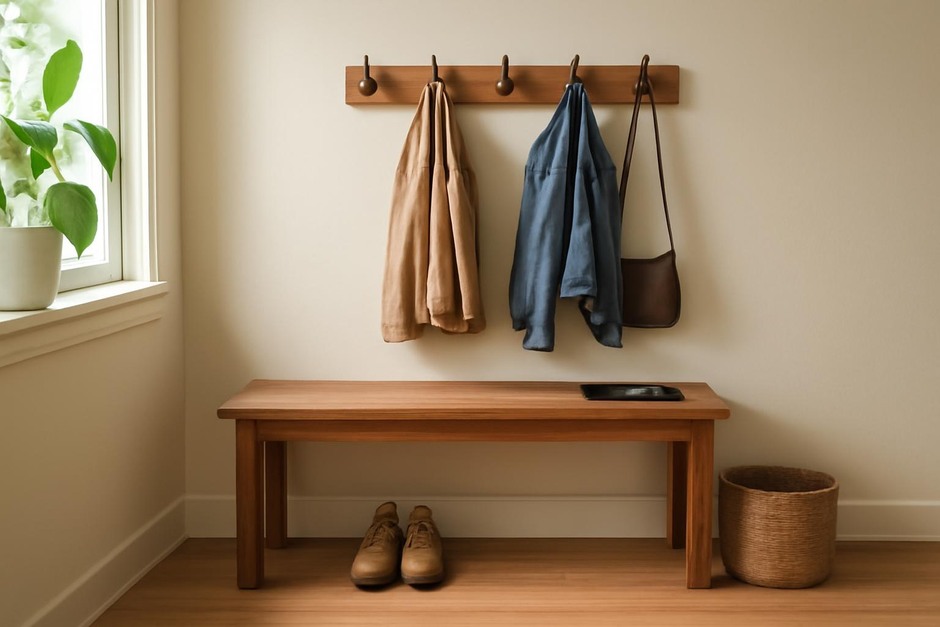
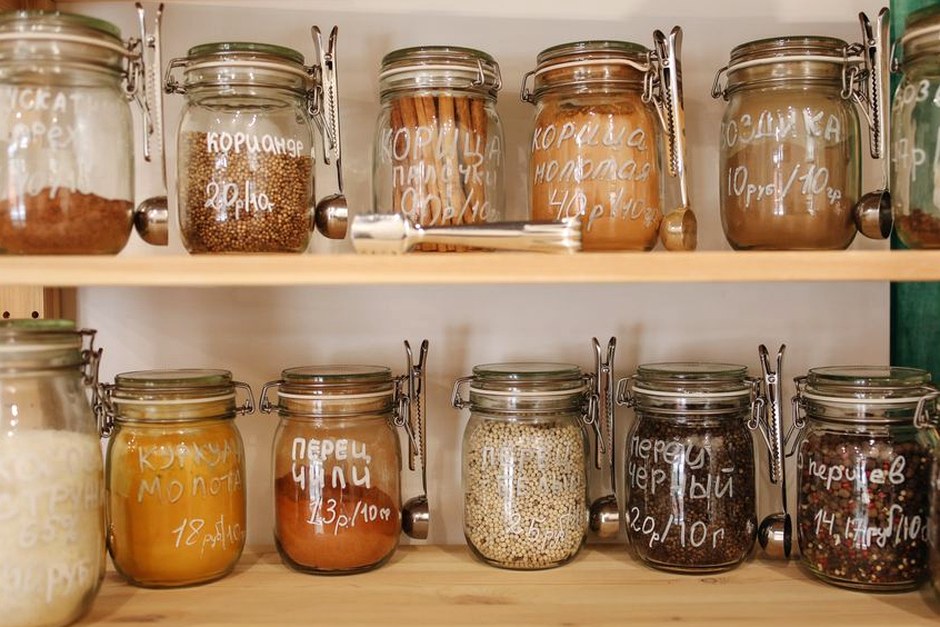
Small example: For an entryway key and mail spot, use a shallow tray or single basket sized to hold one day’s mail plus keys. If the basket fills, it forces a single simple action: sort or recycle immediately. Try a trial: replace a large bin with a postcard-sized tray and live with it for two weeks. You’ll notice fewer piles and clearer decisions.
3. Use tiny experiments to convert principles into habits
Principle: Change is easier when tested with a specific, short trial that focuses on one variable. Micro-experiments make it simple to learn what works without overcommitting.
Small examples: Pick a single task zone and run one of these three experiments for 14 days:
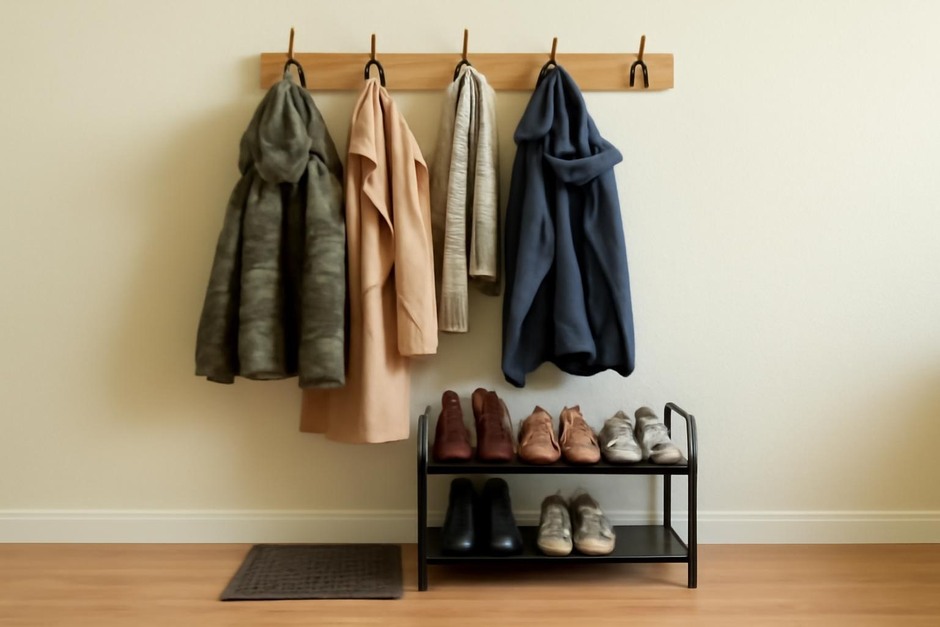
- Trigger swap: Move the trigger for the task. If you always leave your sunglasses on the kitchen counter, move a sunglasses hook to the wall next to the door. Observe how often you actually grab them from the new spot.
- One-in, one-out: For a small baking zone, limit the number of specialty baking tools on the shelf to five. Each new item must replace an old one. See whether you miss anything.
- Five-minute reset: After a task, set a timer for five minutes to return everything to its zone. Track how often you complete the reset and whether the next occurrence of the task goes faster.
These micro-experiments are lightweight enough to fit into life and teach you which constraints and triggers actually shift behavior.
4. Combine quick resets with a light scheduled review
Principle: Daily micro-resets keep zones functional; periodic reviews prevent drift. Together they balance low effort with long-term clarity.
Small example: Adopt a two-part maintenance rhythm. Each evening do a 3–5 minute quick reset of active zones (clear the coffee tray, empty the entry tray, wipe the mail spot). Once a month, spend 15–20 minutes reviewing each zone: purge unneeded items, adjust a storage container’s size, or move a trigger based on what felt awkward that month. The monthly review is deliberately short—enough to catch trend problems before they become habits but not so long it feels like a project.
Putting the pieces together
When you design tiny task zones, combine these elements: decide the single activity for the spot, choose storage sized to that activity, run a short experiment to test a trigger or constraint, and maintain the area with brief daily resets plus a monthly review. The approach is iterative: expect to tweak placement and container sizes a few times before the zone feels effortless.
Conclusion: Small, activity-focused zones are a practical path to a calmer home because they attack friction where it happens. Try converting one surface into a dedicated micro-zone this week—pick a single principle from above, run a two-week experiment, and keep a modest reset habit. Often the improvements that stick are the smallest ones that respect how you actually live.