A Small Seasonal Routine to Keep Coats and Shoes Ready for Changing Weather
Problem
When weather shifts—wet boots in fall, bulky coats in winter, and sandals in spring—entryways and closets quickly become chaotic. Shoes pile up, dripping water or mud across the floor. Coats end up on chairs or the back of the sofa. The result: small daily frictions that add up to frustration and extra cleaning time. A full seasonal overhaul can feel daunting, especially if you live in a small space or share routines with family members.
Principles
Addressing seasonal coat and shoe clutter is easier when you work with four simple principles. These keep the solution lightweight and sustainable.
- Design for daily moments. Focus on what happens when people come home or leave—those are the moments that create clutter. A few seconds of consistent action matters more than occasional big efforts.
- Make the right place obvious. Visible, consistent storage reduces decision fatigue. If shoes and coats have clear, convenient homes, they are more likely to be returned.
- Separate wet/dirty from dry/ready. Quick containment for wet shoes or muddy gear prevents spreading mess and makes maintenance simpler.
- Schedule light swaps rather than massive purges. A short, regular refresh keeps the system working and avoids the sinking feeling of an overwhelming closet overhaul.
Examples
Below are small, situational setups you can try. Each is designed to be low-cost and quick to adopt.
1. The Five-Second Return
Problem: Shoes and coats languish around the living room.
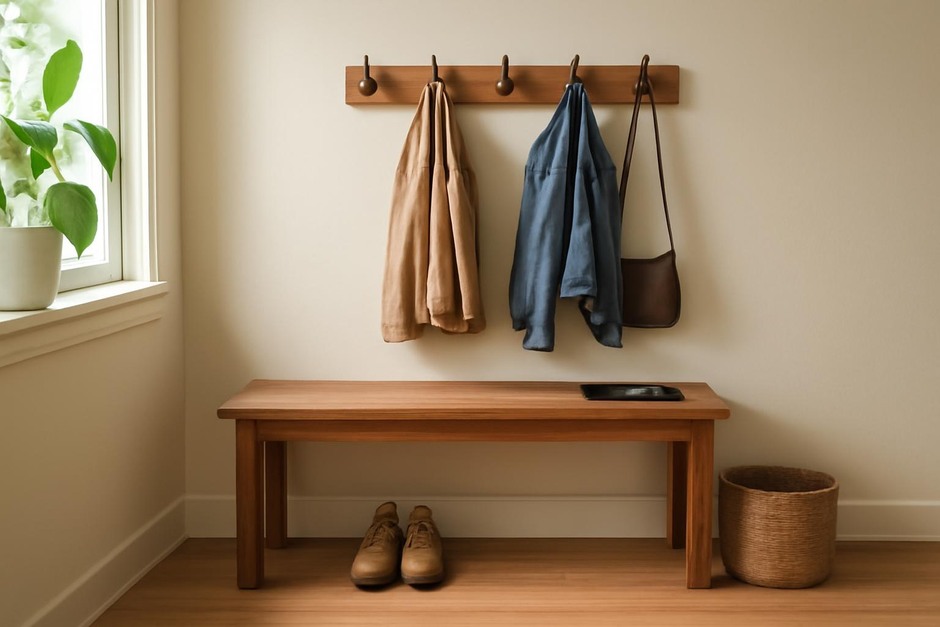
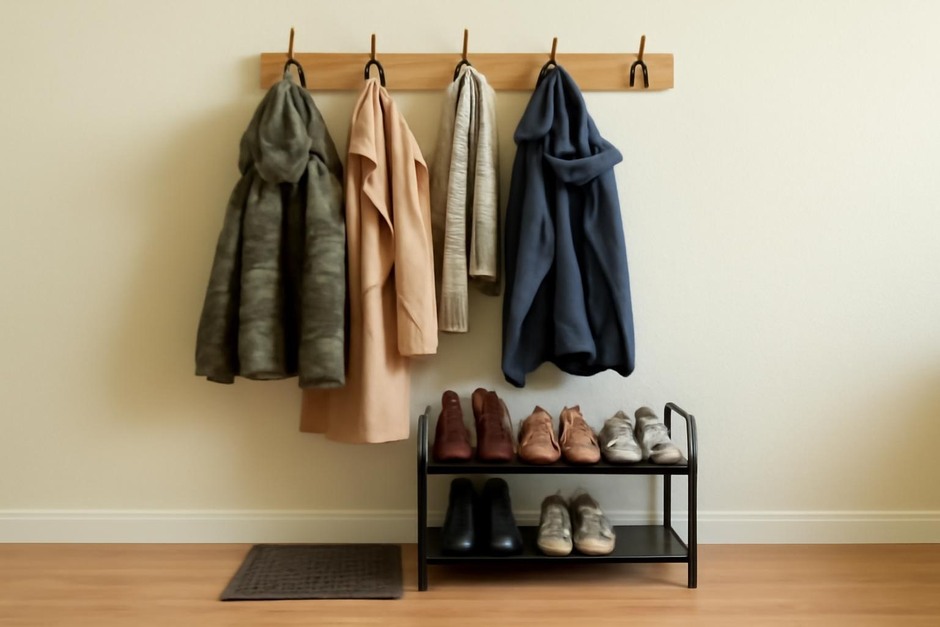
Setup: Place a shallow shoe shelf or tray and a row of hooks within arm’s reach of the door. Add a narrow mat for wet footwear.
Habit: When you come in, take off shoes and place them on the shelf/tray; hang coats on the nearest hook. The whole action should take five seconds. No sorting, no thinking—just return to the obvious spot.
2. The Weekly Dry-and-Repair Check
Problem: Wet boots, damp liners, or missing laces build up when unnoticed.
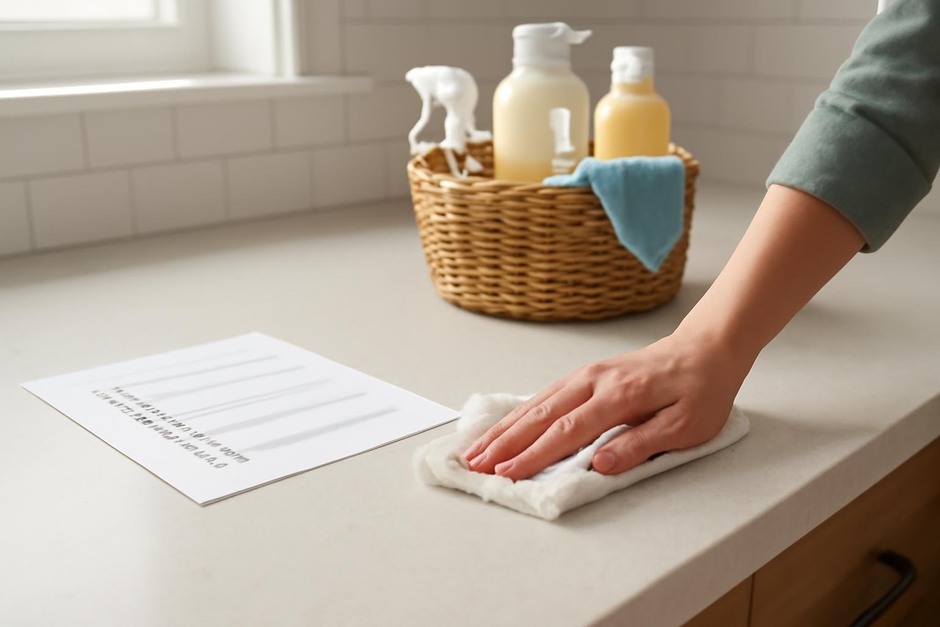
Setup: Keep a small basket or bin in the closet labeled Dry & Fix. Include a spare shoelace, a lint roller, and a small towel for wiping.
Habit: Once a week, empty the Dry & Fix bin onto a drying shelf or radiator-safe mat. Replace anything that needs repair or toss items that haven’t been worn all season.
3. The Seasonal Swap—20 Minutes
Problem: Bulky winter items occupy valuable space during warmer months.
Setup: Keep two storage bins (or labeled shelf spots): one for in-season items, one for out-of-season. Use breathable fabric bins if you need to tuck things away.
Habit: On a chosen day each quarter, spend 20 minutes swapping bins: move out-of-season items into storage and bring current-season gear forward. This is a light refresh, not a deep purge.
4. Small-Space Apartment Solution
Problem: No hallway closet or limited square footage.
Setup: Use vertical space—over-the-door hooks, a slim shoe tower, and a small under-bench tray. A bench with a removable cushion doubles as a sitting and stashing spot.
Habit: Adopt the five-second return and add a nightly 30-second tidy where each household member grabs anything that belongs by the door and places it back correctly.
Practice Checklist
- Daily (under 1 minute): Return shoes to the shelf/tray and hang coats immediately when you enter.
- Nightly (30–60 seconds): Quick sweep of the area to pick up stray items and shake out a mat or tray if needed.
- Weekly (10–20 minutes): Empty the Dry & Fix bin. Air wet footwear and address small repairs (laces, buttons, a light brush of dirt).
- Quarterly (20–30 minutes): Do a seasonal swap of bins or rotate items in the closet. Donate or store items you haven’t worn this season.
- When visitors arrive: Keep a spare hook and an extra basket handy for guest shoes and umbrellas to avoid last-minute clutter.
These shifts keep the work small and predictable, turning seasonal clutter into a manageable part of everyday life. Start with the five-second return and add one habit at a time until the system feels natural for your household.